Assessing the feasibility and acceptability of mobile health-supported Group Pregnancy Care in Kenya.
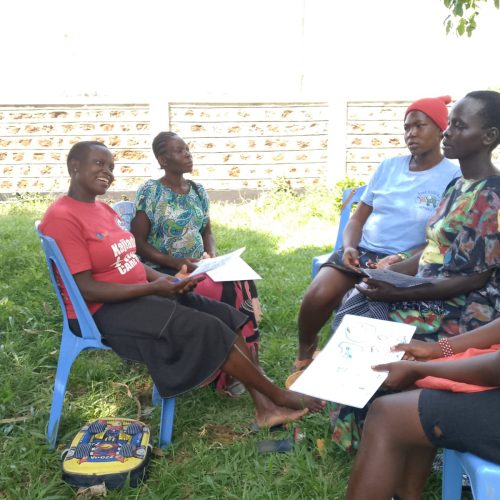
The Group Pregnancy Care (GPC) Pilot was implemented by Help REACH Africa (HERA) in partnership with Yale University to assess the feasibility and acceptability of delivering Group Pregnancy Care through mobile health (mHealth) approaches among pregnant women and postnatal mothers in Kenya.
The study was conducted in Machakos County and explored how mobile technology could enhance access to antenatal and postnatal care, strengthen peer support among mothers, and improve maternal and newborn health outcomes.
The research was informed by the World Health Organization’s recommendation of Group Pregnancy Care as a model for improving women’s experiences during pregnancy and childbirth through shared learning, support, and collaborative care.
- Assess access to and use of mobile technology among pregnant women
- Evaluate the feasibility of delivering Group Pregnancy Care through mobile health platforms
- Explore attitudes, perceptions, and preferences regarding mHealth-supported maternal healthcare
- Identify opportunities and challenges for scaling digital maternal health interventions
- Generate evidence to inform future maternal and newborn health programming
Key Results
- Successfully completed a feasibility and acceptability study across 10 health facilities in Machakos County
- Conducted 300 surveys with pregnant women
- Conducted 11 semi-structured interviews with maternal healthcare providers
- Conducted 10 semi-structured interviews with family members accompanying pregnant women
- Facilitated four Focus Group Discussions involving pregnant women and healthcare providers
- Generated evidence on mobile phone access, digital readiness, and preferences for mHealth-supported care
- Identified opportunities and barriers for implementing mobile-enabled Group Pregnancy Care in rural and peri-urban settings
The study employed a mixed-methods approach, combining surveys, focus group discussions, and semi-structured interviews with pregnant women, family members, and healthcare providers.
Ten health facilities implementing Group Pregnancy Care in Machakos County were selected to provide insights into how mobile technologies could complement and strengthen maternal healthcare delivery.
The study worked closely with Machakos County health leadership and facility teams to ensure local ownership and participation.
The study revealed strong interest among pregnant women in accessing maternal health information and support through mobile phones.
Many participants reported that mobile health solutions could help overcome challenges associated with long travel distances to health facilities, reduce missed appointments, and improve access to health information during pregnancy.
The findings also highlighted the importance of involving spouses and family members in maternal health discussions and demonstrated the potential of digital platforms to strengthen participation in Group Pregnancy Care.
Importantly, the study provided valuable evidence on the opportunities and limitations of digital maternal healthcare in underserved communities, helping inform future maternal and newborn health interventions.
The project was implemented in Machakos County across:
- Kimutwa Health Facility
- Kamuthanga Health Facility
- Kyeleni Health Facility
- Katangi Health Facility
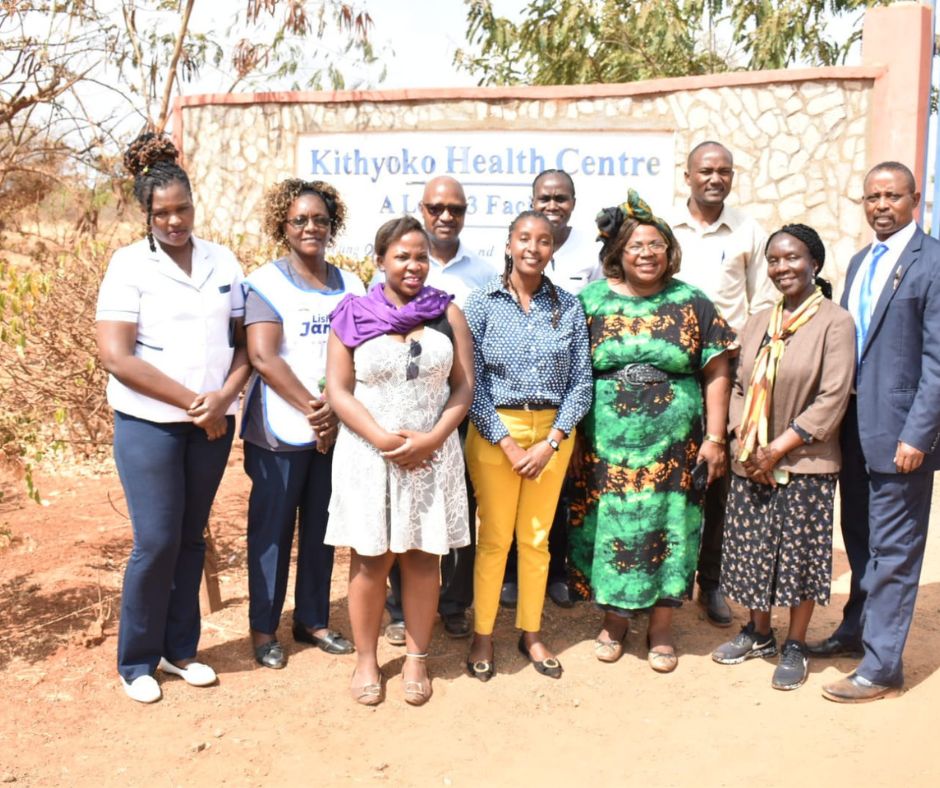
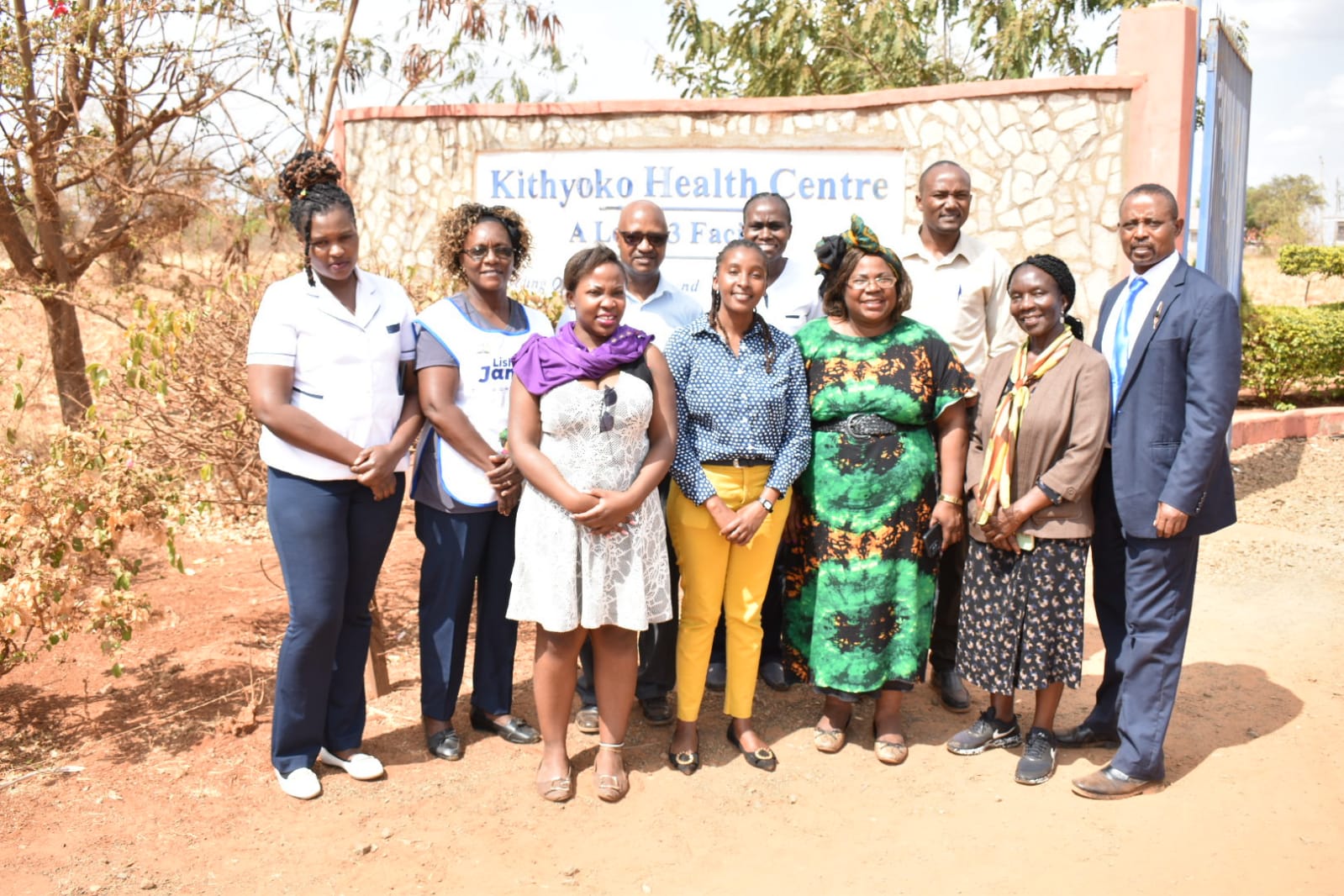
- Kithyoko Health Facility
- Athi River Health Facility
- Mbiuni Health Facility
- Kangundo Health Facility
- Nguluni Health Facility
- Mlolongo Health Facility
Donor & Research Partner
- Yale University
Local Partners
- Machakos County Department of Health
- Participating Health Facilities
Completed
The study was successfully completed and generated important evidence on the feasibility of integrating mobile health technologies into Group Pregnancy Care programs.
The findings have contributed to ongoing discussions on digital health innovations, maternal health service delivery, and the design of future Group Antenatal Care interventions in Kenya.